Internet Protocol Television (IPTV) has emerged as a groundbreaking technology
that is revolutionizing our way of consuming the content on TV. Contrary to
conventional broadcasting strategies which rely on satellites or cable
connections, IPTV utilizes the Internet to stream TV shows and other videos. The
technological advancement has given viewers with unprecedented ability to
control their viewing experience, transforming the way that television is
viewed. While IPTV is growing in importance, it's essential to understand its
impact on the market, the benefits it offers, and the challenges it
faces.
The primary allure of IPTV lies in its convenience
and adaptability. Traditional TV requires viewers to follow fixed schedules and
use specific hardware like set-top boxes and satellite dish. On the other hand,
IPTV allows users to stream their most loved series, films, and live broadcasts
on-demand, whenever and anyplace, as long as that they connect to the internet.
The flexibility of IPTV is perfect for the current lifestyle of viewers where
personalized and time-shifted viewing is highly appreciated. Furthermore, IPTV
platforms often come equipped with cutting-edge features like pausing,
rewinding, or recording live TV. These features enhance the overall user
experience and rendering traditional TV programs appear
old-fashioned.
One of the more appealing benefits that is appealing about
IPTV is the degree of personalization it offers. Its viewers no longer are bound
by the fixed schedules of traditional TV programming. Instead, they are able to
choose what to stream and when to watch it. These services typically include
functions like catch-up television, enabling users to access missed episodes,
and video-on-demand (VOD) libraries that offer diverse selections of TV shows
and TV shows. Advanced algorithms also allow IPTV providers to offer individual
recommendations on content, based upon the viewers' habits of viewing and
preferences. This personalized experience increases user satisfaction and helps
set IPTV apart from traditional broadcasting methods, catering to the changing
needs of modern users.
Although it has many benefits, icam is also facing a variety of difficulties
specifically in relation to the infrastructure and regulations. Delivering
high-quality streaming content requires strong and reliable internet
connectivity, which can be limited in locations which have a poor network
infrastructure. In addition, the switch from broadcasting via traditional
channels to online delivery poses some regulatory questions as well as issues
related to content licensing, copyright security, as well as information
privacy. Regulators and governments continue to adapt to the changing landscape
and are developing frameworks to will ensure fair competition while protecting
consumers' interests. As IPTV continues to grow, it will be essential to tackle
these issues to guarantee a viable and fair industry.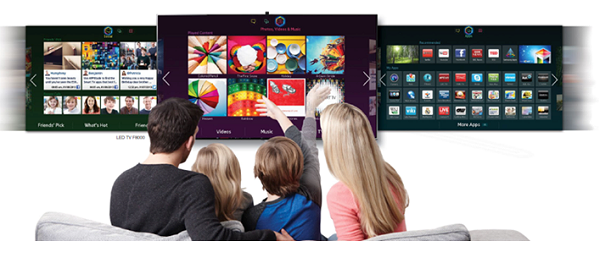
The impact on the economy of IPTV is significant,
contributing to the rapid growth of the entertainment and media sector. The
growth of IPTV has brought in substantial revenues for service providers, and
has created many job openings in fields including production of content,
technology development, and support for customers. Also, IPTV has opened up
opportunities for monetization that are new, such as targeted ads and
subscription-based model. This has helped content creators and broadcasters
reach a wider audience and generate more income. However, these economic
advantages have to be balanced against possible negatives such as threats to
broadcasting jobs, as well as the problems faced by smaller players in the
marketplace.
IPTV has transformed the way users access and watch TV
content. It offers unbeatable access, ease of use and a rich array of functions.
Its rapid growth is powered by advancements in internet connectivity and a
growing preference of streaming on-demand television. Although IPTV provides
significant benefits However, it has its own challenges related to
infrastructure, regulatory issues, as well as market dynamics that must be
tackled. In the years to come, as the industry continues develop, collaboration
between all parties will be essential to ensure that IPTV is able to realize its
full potential and overcome its obstacles. When you take the time to think
through these difficulties carefully, IPTV can continue to change the landscape
of entertainment, providing enhanced viewing experiences as well as new
possibilities for distribution of content.
Sunday, 23 June 2024
The Evolution and Influence of IPTV in Fashionable Entertainment

Subscribe to:
Comments (Atom)
The Evolution and Influence of IPTV in Fashionable Entertainment
Internet Protocol Television (IPTV) has emerged as a groundbreaking technology that is revolutionizing our way of consuming the content on...

-
Internet Protocol Television (IPTV) has emerged as a groundbreaking technology that is revolutionizing our way of consuming the content on...
